Last updated: November 2026
Pet insurance for Chow Chows
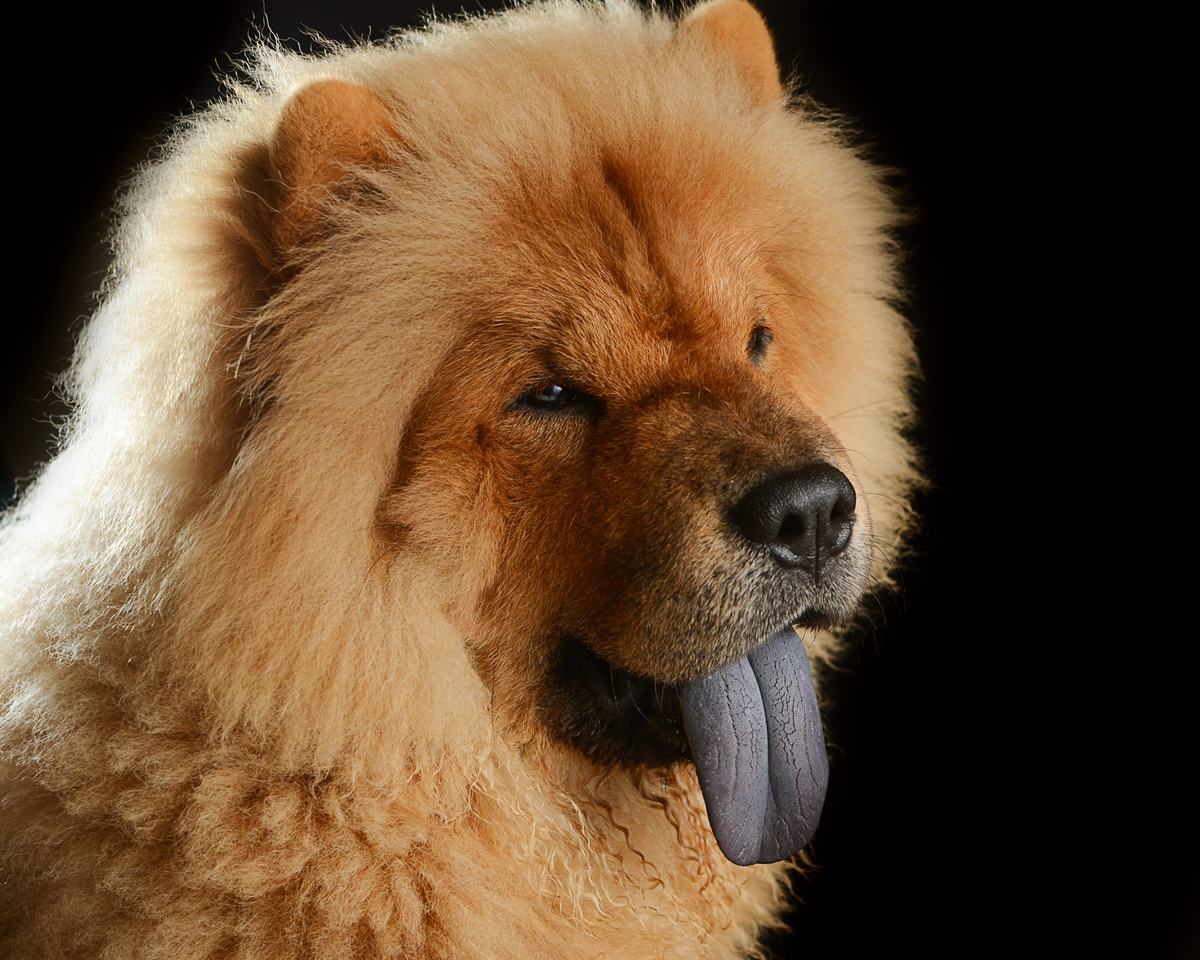
The Chow Chow is the dignified, lion-maned dog of the AKC Non-Sporting Group, an ancient Chinese breed with a blue-black tongue, recognized by the AKC in 1903. The AKC lists the breed at 17 to 20 inches and 45 to 70 pounds. How long a Chow Chow lives depends on how you count it, and this guide keeps the published methods separate: the AKC lists life expectancy at 8 to 12 years, while UK records for 940 Chow Chows measured a median lifespan of 12.1 years, at the very top of that range. This is a loyal, independent dog whose beautiful build carries its planning story in plain sight: eyes and elbows shaped by that build carry measured risks among the highest of any breed, and the heavy coat makes heat a daily care duty in warm weather.
Enroll as a puppy, before the first squint is written down. In the breed with the second-highest measured entropion rate, an eyelid note at the first vet visit can exclude the surgery your dog is most likely to need.
Cost figures are typical ranges, not quotes or guarantees. Your premium depends on your chow's age, your zip code, and the deductible and reimbursement level you choose.
Common health issues in Chow Chows
Entropion
Risk level: Common / expensive
Entropion, where an eyelid rolls inward so lashes rub the eye, is the headline risk in this breed, and it is measured, not guessed. In O'Neill et al. 2025 (PLoS One), a VetCompass study of 2,250,417 dogs under UK primary veterinary care in 2019, the one-year prevalence of entropion in Chow Chows was 9.3% (95% CI 7.6 to 11.1), the second-highest of any breed after the Shar-Pei at 15.4%. That is a one-year recorded prevalence in primary care, printed with that label every time. UFAW's breed account explains the cause in this breed: entropion usually follows the narrow ocular opening of the small, deep-set eye the Chow is known for, a predisposition reported in UK and US data for decades, and PetMD's entropion guide lists Chow Chows among the breeds in which the condition is hereditary and most often diagnosed under a year old. The care story is surgical correction, often in a young dog, sometimes staged while a puppy grows, because temporary tacking sutures are a recognized puppy step before a definitive repair (VCA Hospitals, which names the Chow specifically). No dual-verified surgery price exists, so none is printed here; a four-figure bill is the honest shape. Enrollment before the first squint is recorded is this breed's sharpest timing point, because an eyelid note at the first vet visit can become the pre-existing anchor for the surgery a young Chow is most likely to need.
Elbow dysplasia
Risk level: Common / expensive
Elbow dysplasia carries the highest measured rate of any breed in the largest screening dataset, and the label matters as much as the number. In Engdahl et al. 2026 (Veterinary Record), Swedish Kennel Club screening records from 2007 to 2016 covering 78,504 dogs screened for elbow dysplasia across 46 breeds, the Chow Chow prevalence was 65.2%, the highest of any breed screened, counting grades 1 to 3 together in screened young adults. Grade 1 is the mildest grade, so the honest summary is the careful one: in Sweden's national screening program, about two in three screened young Chow Chows showed some grade of elbow change, the highest rate of any breed, though most of those grades were mild. The UK BVA and Kennel Club scheme treats elbow scoring as a baseline Chow certification alongside hip scoring and eye testing, which corroborates elbows as a first-order breed concern from a second country's program. The lived version ranges from quiet management of a mild grade to pain control and, in the worst elbows, surgery, and a joint note in a young dog's record can follow that dog for life, which is why breeder scores and enrollment both belong at the start.
Hip dysplasia
Risk level: Common
Hips are a long-screened concern in this breed, told here with its history labeled honestly. The OFA hip registry's historical breed table records 22.1% dysplastic across 3,363 Chow Chow evaluations from January 1974 to January 1996. That figure is historical only: the registry population, era, and scoring context are all dated, and it is a benchmark for how long this has been a screened breed concern, never a current risk figure. UK reporting gives a different measure from a second system, a BVA breed mean hip score of about 18.5, with breeders advised to breed below the breed average; a mean score is not a percent, and this page never converts one into the other. What a buyer can stand behind today is the paperwork: both parents' hip evaluations, read directly, before a puppy comes home. If a hip does fail in a dog of this size, total hip replacement averaged $7,064 (range $4,500 to $12,000) in a 2024 survey of U.S. hospitals (JAVMA), printed here as a general surgical figure, and years of pain management can precede or replace surgery.
Pemphigus foliaceus and autoimmune skin disease
Risk level: Less common
Pemphigus foliaceus is the autoimmune skin disease this breed is quietly predisposed to, told here at the strength of its evidence. LABOKLIN's veterinary dermatology reference calls it the most common autoimmune skin disease in dogs and names Akita Inus and Chow Chows as the breeds that appear to be at particularly high risk, and the University of Minnesota's dermatology handbook states the same predisposition pairing. No incidence percent was verified for this breed, so none is printed, and the honest framing matters: this is a rare but serious immune-mediated skin disease of pustules and crusts, diagnosed by biopsy and managed with long-term immune suppression. That is precisely the kind of condition whose coverage wording, on immune-mediated and hereditary predispositions, a buyer should read in writing before enrolling, because the care, when it comes, repeats across policy years.
Hypothyroidism
Risk level: Less common
Hypothyroidism is this breed's senior watch item, with no percent printed because none was verified. Breed health guides consistently list it among the Chow's predispositions, with weight gain, lethargy, and coat change as the signs families notice, and the breed club's recognized certification set includes an OFA thyroid evaluation, which corroborates thyroid as a screening-level concern from the breed's own club. The lived version is manageable and lifelong: blood tests to confirm, then daily medication and monitoring bloodwork for life. It is rarely an emergency, but it repeats every year, and the first thyroid note in a dog's record should arrive after a policy is already in place, not before.
What does pet insurance cost for a Chow Chow?
Start from the $62.44/month national dog average (NAPHIA, 2024 data) as an estimate only; there is no trustworthy Chow Chow specific price to quote here. A breed like this will usually be quoted above that average, and the honest cost shape concentrates in eyelid surgery that often lands in the first two years, in joint care across a longer life than the breed's reputation suggests, and in the small chance of a lifelong autoimmune skin program. Asking for both parents' hip and elbow scores, a current eye exam, and thyroid results, and checking the actual results, is the single most useful buyer action this page can teach, because a CHIC number means the tests were done, not that the dog passed.
For context, the national average premium for dogs is roughly $62/month - but breed, age, and location move that number a lot. Estimate your premium with our cost calculator, or see the bigger picture in our lifetime cost projector, which compares a common emergency bill with and without coverage.
Breeder testing for this breed has a clear recommended set. The national breed club's recommended health tests for the Chow Chow, as listed by the AKC, are a hip evaluation, an elbow evaluation, a patella evaluation, an ophthalmologist evaluation, and a thyroid evaluation. So the papers to ask for are both parents' hip and elbow scores, a current eye exam with the entropion history asked about directly, and thyroid results. A CHIC number means those tests were done and the results are public, not that the dog passed, so read the actual results on both parents.
The coat deserves its own honest paragraph. A Chow carries a dense double coat, in rough and smooth varieties, and sheds heavily, and that heavy coat on a compact build makes heat a care duty, not a footnote: shade and water on every warm day, no midday summer exertion, and never a shavedown as a substitute for that management, because the coat is also this dog's insulation.
Non-Sporting breeds keep each other's company on this site, and each keeps its own figures. Our Bichon Frise insurance guide covers a fellow Non-Sporting breed whose screening story is told with its own numbers. Our Pug insurance guide covers a small Non-Sporting companion whose breathing and eye care reward the same early start. Our Shih Tzu insurance guide covers another Non-Sporting companion whose eye care is measured on its own page. And our Dalmatian insurance guide covers the spotted coach dog whose bladder and hearing story is settled before a puppy comes home.
A breed that shares the pemphigus pairing above joins this page here. Our Akita insurance guide covers the large Japanese guardian named alongside the Chow Chow in that same predisposition pairing, with its own autoimmune story told with its own figures.
What to look for in a policy for a Chow Chow
- Enroll as a puppy, before the first squint is written down. In the breed with the second-highest measured entropion rate, an eyelid note at the first vet visit can exclude the surgery your dog is most likely to need.
- Confirm that hereditary and conformational eye conditions and entropion surgery are covered, and ask in writing how congenital eyelid conditions are treated, because some plans exclude them.
- Confirm that joint conditions are covered, and ask about orthopedic waiting periods, because hips and elbows are where this breed's screening story starts.
- Ask how immune-mediated skin disease is handled across policy years, because pemphigus care, when it comes, is a long-term program, not a single visit.
- Ask the breeder for both parents' hip and elbow scores, eye exams, and thyroid results, and check the actual results, because a CHIC number alone is not a pass.
- Keep the deductible at a level you can pay on a hard day without hesitation - the policy only protects your dog if you can afford to use it.
Compare insurers for your chow
Typical plan options from major insurers:
| Insurer | Reimbursement | Annual limit | Waiting periods | Standout feature | Quote |
|---|---|---|---|---|---|
| Spot | 70%, 80% or 90% | $2,500 - unlimited | 14 days (accident & illness) | Preventive-care add-on available. | Get a quote |
| Trupanion | 90% | Unlimited payouts (no annual cap) | 5 days (injury) / 30 days (illness) | Per-condition lifetime deductible; direct vet payment option. | Get a quote |
| Embrace | 70%, 80% or 90% | $5,000 - $30,000 | No wait (accident) / 14 days (illness) / 6 mo (orthopedic, varies by state) | Deductible shrinks $50 each claim-free year. | Get a quote |
| Pets Best | 70%, 80% or 90% | $5,000 or unlimited | 3 days (accident) / 14 days (illness) / 6 mo (cruciate) | Wellness add-on; short accident waiting period. | Get a quote |
| Lemonade | 70%, 80% or 90% | $5,000 - $100,000 | No wait (accident, most states) / 14 days (illness) / 30 days (orthopedic) / 6 mo (cruciate) | Preventive packages; not offered in every state. | Get a quote |
| ASPCA Pet Health Insurance | 70%, 80% or 90% | Multiple annual-limit options | 14 days (accident & illness) | Preventive-care add-on available. | Get a quote |
| Figo | 70%, 80%, 90% or 100% | Up to unlimited annual max | 1 day (accident) / 14 days (illness) / 6 mo (orthopedic) | One of the few with a 100% reimbursement option. | Get a quote |
| Fetch | 70%, 80% or 90% | $5,000 - unlimited | No wait (accident) / 15 days (illness) / 6 mo (orthopedic) | Covers sick-visit exam fees. | Get a quote |
Plan options shown are typical ranges widely published by each insurer; details change and vary by state. Always confirm current terms on the insurer's website before enrolling. Quote buttons link directly to each insurer's website. We don't earn a commission on these links yet.
Other breed guides
- French Bulldog
- Labrador Retriever
- Golden Retriever
- German Shepherd
- Goldendoodle
- Dachshund
- Rottweiler
- Bulldog
- Cavalier King Charles Spaniel
- Shih Tzu
- Boxer
- Australian Shepherd
- German Shorthaired Pointer
- Pembroke Welsh Corgi
- Bernese Mountain Dog
- Border Collie
- Miniature Schnauzer
- Cocker Spaniel
- Yorkshire Terrier
- Great Dane
- Chihuahua
- Pug
- Havanese
- Boston Terrier
- Doberman Pinscher
- Vizsla
- Australian Cattle Dog
- Shetland Sheepdog
- English Springer Spaniel
- Belgian Malinois
- Rhodesian Ridgeback
- Bichon Frise
- Siberian Husky
- Cane Corso
- Dalmatian
- Akita
- Alaskan Malamute
Frequently asked questions
Is pet insurance worth it for a Chow Chow?
For most Chow Chow owners, yes - this is a breed where one major surgery can cost more than years of premiums. The math favors insurance most when the breed's common conditions are expensive, which is the case here.
When should I insure my Chow Chow?
As early as possible - ideally as a puppy. Conditions diagnosed before enrollment are excluded as pre-existing, and this breed's predispositions mean waiting is the expensive mistake.
What is the best pet insurance for Chow Chows?
There is no single best insurer for every dog - the right pick depends on your budget, your dog's age, and which conditions worry you most. Compare annual limits, orthopedic waiting periods, and reimbursement rates across the table above, then run real quotes. (BreedCover may earn a commission if you buy through our links.)