Last updated: November 2026
Pet insurance for Russian Blues
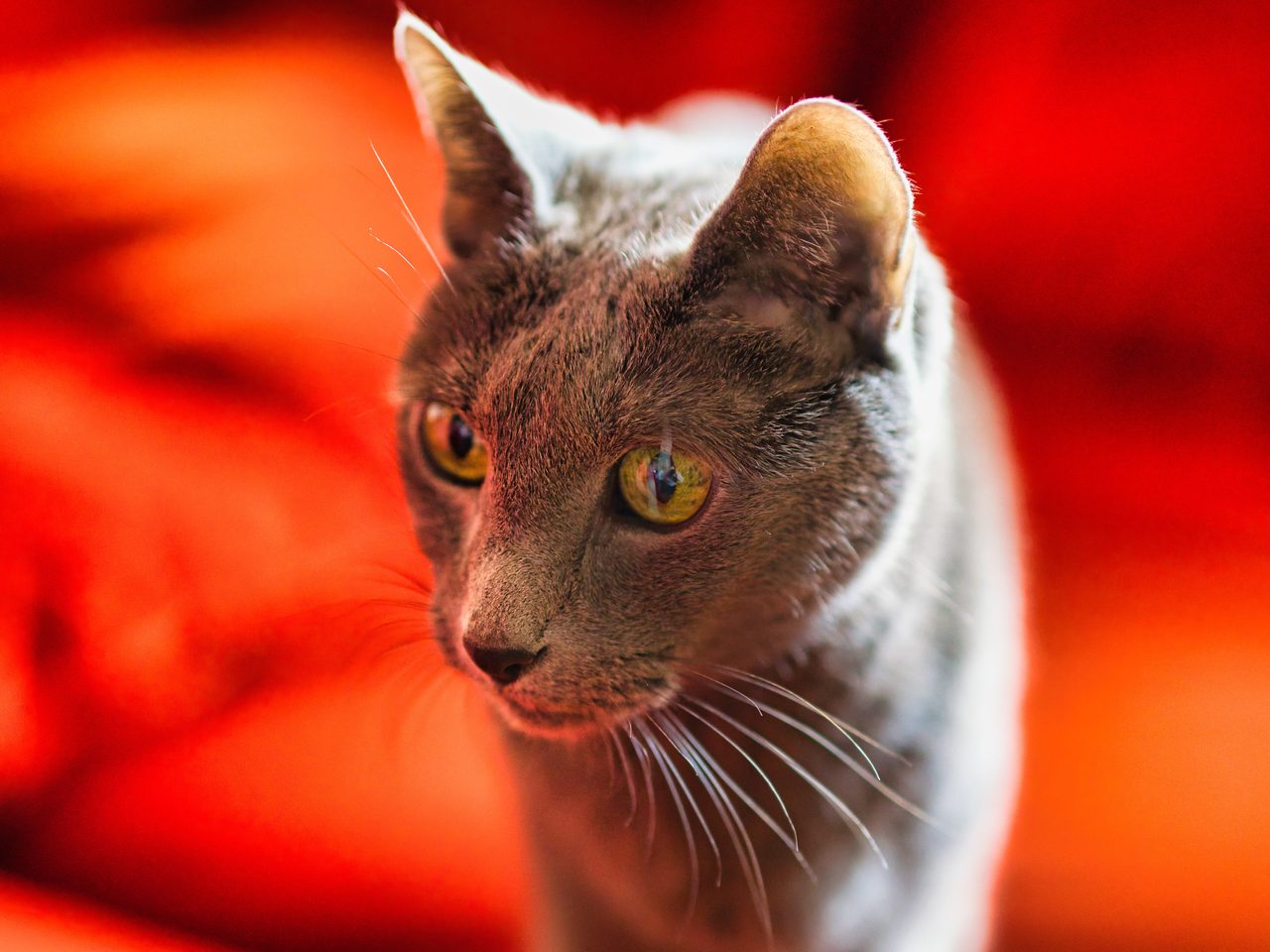
An elegant, quiet, devoted companion - silver-tipped blue coat, vivid green eyes, and a fine-boned frame at typically 7 to 12 pounds, with males running larger. The Russian Blue is a naturally occurring breed, and its health story is genuinely good news: no inherited disease is officially linked to this breed, and there is no breed DNA test to ask a breeder for. Breed profiles commonly give a lifespan of 15 to 20 years, a profile range rather than a measured figure, so the honest plan is a long life of ordinary, consistent cat care, protected from the very start, with care that grows up alongside her.
Enroll as a kitten while the record is clean: with no breed disease to screen for, the whole value of this breed's policy is buying it young and keeping it continuous across a very long life, never letting it lapse.
Cost figures are typical ranges, not quotes or guarantees. Your premium depends on your cat's age, your zip code, and the deductible and reimbursement level you choose.
Common health issues in Russian Blues
Dental and periodontal disease
Risk level: Common
Periodontal disease was the most commonly diagnosed specific disorder in cats overall, recorded in 15.2% of cats in a VetCompass study of 18,249 UK cats in one year, with risk rising steeply with age (O'Neill et al., 2023). That 15.2% is an all-cats figure, not a Russian Blue figure, and it matters here because a cat who may live well into her teens has many years for teeth to need care: cleanings with extractions commonly cost $500 to $2,000, and dental care tends to repeat across a long life, especially in the senior years. Note: dental usually falls under wellness add-ons, not core illness plans.
Weight gain and its downstream risks
Risk level: Common
Breed profiles agree on one everyday warning: Russian Blues love to eat. PetMD and Basepaws both describe a strong appetite and a cat who gains weight readily if food is left down all day, so measured meals and portion discipline are this breed's simplest protection. The stakes are general-cat stakes, labeled as such: obesity was recorded in 11.6% of cats overall in the same VetCompass study of 18,249 UK cats (O'Neill et al., 2023), and extra weight in cats generally adds strain to joints and raises the risk of diabetes over time. No Russian Blue obesity percentage was verified, so this page does not invent one.
Urinary blockage in male cats
Risk level: Common
A blocked bladder is the one true emergency on this page, and it belongs to male cats generally, not to this breed in particular: Cornell's Feline Health Center and VCA Hospitals both describe urethral obstruction as life-threatening, needing same-day emergency care and hospitalization. One protection is verified for this breed specifically: stone-laboratory data from the Minnesota Urolith Center, reported in a dvm360 review of feline stone trends, found Russian Blues at significantly lower risk of struvite stones than expected, the opposite of the predisposition some websites claim. A straining, crying, or suddenly quiet male cat is still a vet today, whatever his stone risk: an emergency hospitalization is the kind of bill that can exceed years of cat premiums.
A long life of ordinary cat medicine
Risk level: Less common
What protects a Russian Blue is not a gene panel. PetMD, with input from Cornell's Feline Health Center, notes that conditions such as polycystic kidney disease and progressive retinal atrophy can affect cats generally, but there is no official link between the Russian Blue and these heritable diseases, and no registry or laboratory offers a Russian Blue-specific disease test. The only VetCompass life-table category near this breed groups Russian Blues with other Russian cats on a very small sample, so there is no precise studied lifespan figure to print. The practical plan is senior care done well: regular vet visits, and the standard senior checks for cats generally, such as kidney and thyroid screening, so the ordinary changes of age are caught early in a cat you hope to love for a very long time.
Two blue-coated shorthairs, two very different health stories. Our British Shorthair insurance guide covers the rounder, heavier blue cat, whose heart screening, weight, and stone risks are its own; the Russian Blue is the fine-boned one, with no breed disease officially linked and no breed DNA test. Our Norwegian Forest Cat insurance guide covers the other long-lived cat on this site with no heart DNA test, a breed that does have two breeder DNA tests of its own; the Russian Blue has none, and that difference is the point.
What does pet insurance cost for a Russian Blue?
Start from the $32.21/month national cat average (NAPHIA, 2024 data) as an estimate only; there is no trustworthy Russian Blue-specific price to quote here, and a healthy breed like this one may price at or below that average. The value of a policy here is time: a long life multiplies the ordinary costs, dental work in the senior years, weight-linked illness if appetite wins, and one true emergency risk shared with all male cats, while there is no breed condition to wait for. Insure a healthy kitten and let the policy age with the cat.
For context, the national average premium for cats is roughly $32/month - but breed, age, and location move that number a lot. Estimate your premium with our cost calculator, or read the full cat insurance hub for how cat coverage works.
Dental care is a recurring cost for this breed, so it helps to know the numbers early. Our cat teeth cleaning cost guide breaks down the typical $300 to $700 cost of a routine cleaning and what can push a bill higher.
What to look for in a policy for a Russian Blue
- Enroll as a kitten while the record is clean: with no breed disease to screen for, the whole value of this breed's policy is buying it young and keeping it continuous across a very long life, never letting it lapse.
- Confirm that dental illness, not just dental injury, is covered, because teeth are the predictable senior cost in a cat who may live into her late teens.
- Choose emergency headroom sized for a urinary blockage hospitalization, the one true emergency every male cat owner should plan for.
- Do not pay extra for hereditary-condition riders sold on breed disease lists this breed does not have; no inherited disease is officially linked to the Russian Blue.
- Keep the deductible at a level you can pay on a hard day without hesitation - the policy only protects your cat if you can afford to use it.
Compare insurers for your Russian Blue
Typical plan options from major insurers:
| Insurer | Reimbursement | Annual limit | Waiting periods | Standout feature | Quote |
|---|---|---|---|---|---|
| Spot | 70%, 80% or 90% | $2,500 - unlimited | 14 days (accident & illness) | Preventive-care add-on available. | Get a quote |
| Trupanion | 90% | Unlimited payouts (no annual cap) | 5 days (injury) / 30 days (illness) | Per-condition lifetime deductible; direct vet payment option. | Get a quote |
| Embrace | 70%, 80% or 90% | $5,000 - $30,000 | No wait (accident) / 14 days (illness) / 6 mo (orthopedic, varies by state) | Deductible shrinks $50 each claim-free year. | Get a quote |
| Pets Best | 70%, 80% or 90% | $5,000 or unlimited | 3 days (accident) / 14 days (illness) / 6 mo (cruciate) | Wellness add-on; short accident waiting period. | Get a quote |
| Lemonade | 70%, 80% or 90% | $5,000 - $100,000 | No wait (accident, most states) / 14 days (illness) / 30 days (orthopedic) / 6 mo (cruciate) | Preventive packages; not offered in every state. | Get a quote |
| ASPCA Pet Health Insurance | 70%, 80% or 90% | Multiple annual-limit options | 14 days (accident & illness) | Preventive-care add-on available. | Get a quote |
| Figo | 70%, 80%, 90% or 100% | Up to unlimited annual max | 1 day (accident) / 14 days (illness) / 6 mo (orthopedic) | One of the few with a 100% reimbursement option. | Get a quote |
| Fetch | 70%, 80% or 90% | $5,000 - unlimited | No wait (accident) / 15 days (illness) / 6 mo (orthopedic) | Covers sick-visit exam fees. | Get a quote |
Plan options shown are typical ranges widely published by each insurer; details change and vary by state. Always confirm current terms on the insurer's website before enrolling. Quote buttons link directly to each insurer's website. We don't earn a commission on these links yet.
Other cat breed guides
- Maine Coon
- Ragdoll
- British Shorthair
- Siamese
- Bengal
- Persian
- Sphynx
- Scottish Fold
- Norwegian Forest Cat
- Abyssinian
- Devon Rex
- American Shorthair
Frequently asked questions
Is pet insurance worth it for a Russian Blue?
For most Russian Blue owners, yes - not because of a breed disease list, because there is none officially linked to this breed, but because a very long life repeats the ordinary costs: dental work in the senior years, weight-linked care, and the one emergency every male cat owner should plan for. The math favors insurance most when those costs repeat over time, which is the case here.
When should I insure my Russian Blue?
As early as possible - ideally as a kitten. Conditions diagnosed before enrollment are excluded as pre-existing, and with no breed disease to wait for, the whole value here is a clean record kept continuous across a very long life; letting the policy lapse is the expensive mistake.
What is the best pet insurance for Russian Blues?
There is no single best insurer for every cat - the right pick depends on your budget, your cat's age, and which conditions worry you most. Compare annual limits, hereditary-condition terms, dental terms, and reimbursement rates across the table above, then run real quotes. (BreedCover may earn a commission if you buy through our links.)