Last updated: November 2026
Pet insurance for Persians
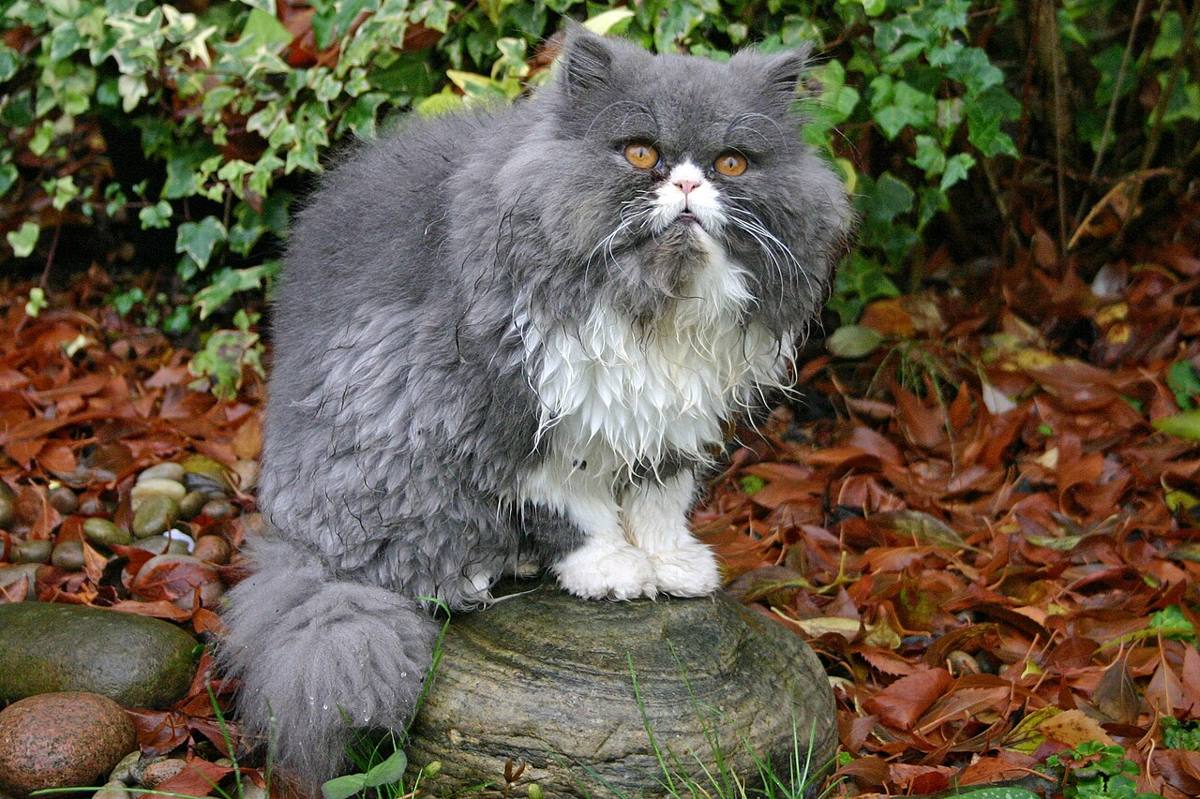
A calm, cobby, long-coated companion - medium to large and heavily boned in the registry descriptions, with a measured average adult weight of about 3.9 kg in UK primary care (O'Neill et al., 2019). Individual Persians can live well into their teens, but the one peer-reviewed life table puts life expectancy at birth at 10.9 years, from a small sample of 80 Persian deaths, against 11.7 years for UK companion cats overall (Teng et al., 2024). The breed's most quoted kidney figure needs its date stamp: screening-era studies found polycystic kidney disease in roughly a third to a half of Persians, and tested breeding has driven that down sharply since.
Ask the breeder for both parents' PKD1 results before anything else, and enroll as a kitten - insurance and breeder testing do different jobs in this breed, and both matter.
Cost figures are typical ranges, not quotes or guarantees. Your premium depends on your cat's age, your zip code, and the deductible and reimbursement level you choose.
Common health issues in Persians
Polycystic kidney disease (PKD)
Risk level: Common / expensive
The breed's core inherited condition, caused by an autosomal dominant PKD1 variant: a cat with one copy is affected and passes the variant to about half of its kittens (UC Davis Veterinary Genetics Laboratory; Schirrer et al., 2021). Cysts are present early, often before 12 months, while signs are most often recognized at about 7 years of age. The famous percentage is a screening-era figure: studies from that era found PKD in roughly a third to a half of Persians, with a UK study at 49.2% of 132 Persians (Cannon et al., 2001). A DNA test exists, tested breeding has driven the rate down sharply in tested lines, and one Brazilian study of a modern tested population found about 5% - a single study, printed here with that label. Kidney disease still matters in this breed: renal disease was the most common recorded cause of death in Persians, at 23.4% of deaths, in the VetCompass primary-care study (O'Neill et al., 2019). The single most useful question a buyer can ask is for both parents' PKD1 results, and kidney care in an affected cat is lifelong monitoring, bloodwork, diet, and blood-pressure care rather than one big bill.
Dental disease
Risk level: Common / expensive
Recorded in 11.3% of Persians (365 of 3,235 cats) in the VetCompass primary-care study (O'Neill et al., 2019), and the breed's shortened jaw adds crowding and bite problems on top. In one referral dental study of anesthetized brachycephalic cats, most of them Persians, 88% had periodontal disease on full examination - a referral sample under anesthesia, not a Persian population rate, and the gap between the two figures is exactly why regular dental checks matter in this breed. Cleanings with extractions commonly cost $500 to $2,000, and dental care tends to repeat across a long life. Note: dental usually falls under wellness add-ons, not core illness plans.
Breathing, eyes, and bite: the flat face
Risk level: Common
The Persian's shortened face brings a set of linked risks, described consistently by UFAW, International Cat Care, and VCA Hospitals: narrow nostrils and nasal passages and a relatively long soft palate can make breathing harder, tear overflow is common, prominent eyes are more exposed to corneal ulcers, and shortened jaws cause malocclusion and tooth crowding. No trustworthy prevalence percent exists for these problems in Persians, so this page does not invent one. The practical care is everyday and kind: watch breathing in heat and stress, keep eyes clean and checked, and treat dental and eye care as core care for this breed, not extras.
Ringworm (dermatophytosis), severe forms
Risk level: Common
Persians are predisposed to severe forms of ringworm, a fungal skin infection, more commonly than other breeds, including other long-haired breeds (Myers et al., 2022, PLoS Genetics, which linked severe cases to a divergent S100 gene region). Most ringworm in cats is a manageable nuisance; in this breed it can become deeper and harder to clear, especially in young cats and multicat homes, so persistent patches, crusting, or hair loss deserve a prompt vet visit and a culture, not just a cream.
Persian progressive retinal atrophy (PRA-pd)
Risk level: Less common
An inherited eye condition caused by a variant in the AIPL1 gene, passed on as an autosomal recessive: carriers are unaffected, and breeding two carriers together gives about 25% affected kittens (UC Davis Veterinary Genetics Laboratory). It moves fast and early: the earliest signs appear at 2 to 3 weeks of age, and retinal degeneration is virtually complete by about 16 weeks (Rah et al., 2005). No trustworthy prevalence percent exists, so this page does not invent one. A DNA test exists, and because blindness from this condition arrives before a kitten's first birthday, this is a before-purchase breeder-test story, not an insurance-after story.
What does pet insurance cost for a Persian?
Start from the $32.21/month national cat average (NAPHIA, 2024 data) as an estimate only; there is no trustworthy Persian-specific price to quote here. The value of a policy for this breed concentrates in years of dental work, eye and airway care tied to the breed's head shape, and kidney monitoring in middle age and beyond, while PKD itself is mainly a breeder-test story in tested lines. One accuracy note on hearts: hypertrophic cardiomyopathy (HCM), the most common feline heart disease generally, found in about 10% to 15% of the general pet cat population in screening studies, also occurs in Persians; screening is by echocardiogram, and there is no Persian DNA test for it.
For context, the national average premium for cats is roughly $32/month - but breed, age, and location move that number a lot. Estimate your premium with our cost calculator, or read the full cat insurance hub for how cat coverage works.
Dental care is a recurring cost for this breed, so it helps to know the numbers early. Our cat teeth cleaning cost guide breaks down the typical $300 to $700 cost of a routine cleaning and what can push a bill higher.
What to look for in a policy for a Persian
- Ask the breeder for both parents' PKD1 results before anything else, and enroll as a kitten - insurance and breeder testing do different jobs in this breed, and both matter.
- Ask about the Persian PRA DNA test too, because that condition is also a before-purchase story in this breed.
- Enroll as a kitten, before any dental, eye, or kidney finding is in the records.
- Check whether dental illness, not just dental injury, is covered - dental disease is one of this breed's most common findings.
- Confirm that hereditary conditions are covered, because PKD is this breed's inherited core.
- Keep the deductible at a level you can pay on a hard day without hesitation - the policy only protects your cat if you can afford to use it.
Compare insurers for your Persian
Typical plan options from major insurers:
| Insurer | Reimbursement | Annual limit | Waiting periods | Standout feature | Quote |
|---|---|---|---|---|---|
| Spot | 70%, 80% or 90% | $2,500 - unlimited | 14 days (accident & illness) | Preventive-care add-on available. | Get a quote |
| Trupanion | 90% | Unlimited payouts (no annual cap) | 5 days (injury) / 30 days (illness) | Per-condition lifetime deductible; direct vet payment option. | Get a quote |
| Embrace | 70%, 80% or 90% | $5,000 - $30,000 | No wait (accident) / 14 days (illness) / 6 mo (orthopedic, varies by state) | Deductible shrinks $50 each claim-free year. | Get a quote |
| Pets Best | 70%, 80% or 90% | $5,000 or unlimited | 3 days (accident) / 14 days (illness) / 6 mo (cruciate) | Wellness add-on; short accident waiting period. | Get a quote |
| Lemonade | 70%, 80% or 90% | $5,000 - $100,000 | No wait (accident, most states) / 14 days (illness) / 30 days (orthopedic) / 6 mo (cruciate) | Preventive packages; not offered in every state. | Get a quote |
| ASPCA Pet Health Insurance | 70%, 80% or 90% | Multiple annual-limit options | 14 days (accident & illness) | Preventive-care add-on available. | Get a quote |
| Figo | 70%, 80%, 90% or 100% | Up to unlimited annual max | 1 day (accident) / 14 days (illness) / 6 mo (orthopedic) | One of the few with a 100% reimbursement option. | Get a quote |
| Fetch | 70%, 80% or 90% | $5,000 - unlimited | No wait (accident) / 15 days (illness) / 6 mo (orthopedic) | Covers sick-visit exam fees. | Get a quote |
Plan options shown are typical ranges widely published by each insurer; details change and vary by state. Always confirm current terms on the insurer's website before enrolling. Quote buttons link directly to each insurer's website. We don't earn a commission on these links yet.
Other cat breed guides
- Maine Coon
- Ragdoll
- British Shorthair
- Siamese
- Bengal
- Sphynx
- Scottish Fold
- Norwegian Forest Cat
- Russian Blue
- Abyssinian
- Devon Rex
- American Shorthair
Frequently asked questions
Is pet insurance worth it for a Persian?
For most Persian owners, yes - this is a breed where screening, treatment for its known conditions, and dental work can add up to far more than years of premiums. The math favors insurance most when a breed's common conditions are expensive or repeat over time, which is the case here.
When should I insure my Persian?
As early as possible - ideally as a kitten. Conditions diagnosed before enrollment are excluded as pre-existing, and this breed's predispositions mean waiting is the expensive mistake.
What is the best pet insurance for Persians?
There is no single best insurer for every cat - the right pick depends on your budget, your cat's age, and which conditions worry you most. Compare annual limits, hereditary-condition terms, dental terms, and reimbursement rates across the table above, then run real quotes. (BreedCover may earn a commission if you buy through our links.)