Last updated: November 2026
Pet insurance for American Shorthairs
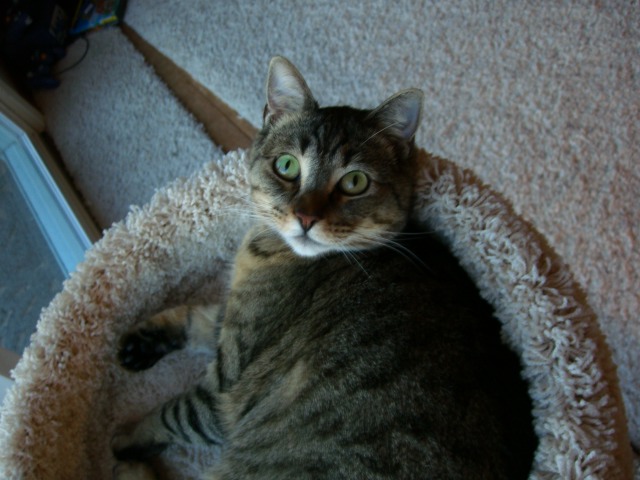
America's own working cat - one of the first five breeds recognized by the Cat Fanciers' Association (CFA) at its founding in 1906, first shown as the Domestic Shorthair and later renamed the American Shorthair, and descended from the mousers who crossed the Atlantic with early settlers to guard cargo and provisions from rodents. The breed is known best for the classic silver tabby, and breed profiles put males at 11 to 15 pounds and females at 6 to 12 pounds, a medium to large cat in hard, muscular condition. Profiles commonly give a lifespan of 15 to 20 years; that is a profile range, not a measured study figure, and this page labels it that way wherever it appears. The honest headline is a happy one: this is one of the hardiest pedigree cats, and the plan for one is a long life, protected from kittenhood.
Enroll as a kitten, while the record is clean: in a breed whose one historical concern is a heart condition that first appears on the record as a murmur note, a policy started before any note exists is the version that never argues about it.
Cost figures are typical ranges, not quotes or guarantees. Your premium depends on your cat's age, your zip code, and the deductible and reimbursement level you choose.
Common health issues in American Shorthairs
Hypertrophic cardiomyopathy (HCM), the historical heart chapter
Risk level: Common
Hypertrophic cardiomyopathy was documented in some American Shorthairs in the 1980s and 1990s, and breed reporting carried by the CFA notes that heart screening and selective breeding since then have largely cleared it from the breed. What has not changed is how the screen works: breed-specific DNA tests for HCM exist for only a few breeds, among them the Maine Coon and Ragdoll MYBPC3 variants, and there is no DNA test for this breed, so a breeding cat's heart clearance is an echocardiogram performed by a veterinary cardiologist (ACVIM 2020 consensus statement on feline cardiomyopathy). A breeder who offers a DNA-tested-clear heart for an American Shorthair is offering a test that does not exist. For a pet cat, the practical point is simpler: a heart murmur noted at a routine visit is the kind of first finding that starts cardiology bills, and a policy already in place before that note exists is the version that never argues about it.
Dental disease across a long life
Risk level: Common
Dental disease is the most common diagnosis family in pet cats generally, and a breed families should expect to keep into its late teens collects dental bills the way it collects birthdays: one cleaning at a time, across many years. No American Shorthair dental percentage was verified for this page, so none is printed here; the pattern itself is the planning point. Cleanings with extractions commonly cost $500 to $2,000, and the need tends to repeat across a long life, especially in the senior years. Note: dental usually falls under wellness add-ons, not core illness plans.
Weight and the farm-cat appetite
Risk level: Less common
The farm-cat appetite crossed the Atlantic with the breed, and it never really left. Breed profiles consistently describe a hearty appetite in a heavily built cat, and the registry standard expects a cat in hard, muscular condition, a condition owners maintain rather than one the breed carries automatically. No obesity or diabetes percentage for this breed was verified, so none is printed here. The honest framing is that weight is the risk the owner actually controls in this breed, and it is managed at the food bowl, with measured meals and honest portion discipline, years before it is managed at the clinic.
Breeder testing for this breed has one honest shape, and it is worth stating plainly because it is the opposite of the gene-panel story told on most of this site. There is no DNA test to ask for: no American Shorthair heart gene has a validated test, and the breed's historical heart chapter, hypertrophic cardiomyopathy documented in the 1980s and 1990s, was largely cleared by echocardiographic screening and selective breeding. So the papers to ask for are both parents' recent echocardiogram reports, read by a veterinary cardiologist, and a breeder who can talk about heart history in the pedigree. A breeder offering a cheek-swab heart clearance for this breed is offering something that does not exist.
Everyday care is refreshingly ordinary. The dense double coat asks for a weekly brush, and the working-cat build underneath it asks for play that uses it: a sturdy indoor cat with a hunter's engine is happiest with daily games that let her stalk, chase, and pounce, and with meals measured to the cat she is, not the appetite she inherited.
Two sturdy shorthairs anchor the comparisons on this site, and each keeps its own figures. Our British Shorthair insurance guide covers the rounder British cousin, whose heart screening, weight, stone, and dental risks are its own. Our Russian Blue insurance guide covers the other long-lived breed on this site with no breed DNA test behind its heart story, where dental care, weight, and a long life of ordinary care matter most.
What does pet insurance cost for an American Shorthair?
Start from the $32.21/month national cat average (NAPHIA, 2024 data) as an estimate only; there is no trustworthy American Shorthair-specific price to quote here. The value of a policy for this breed concentrates in the long middle of a long life: dental care that repeats across 15 or more years, weight-linked care if the appetite wins, and accident and illness cover already in place before a first heart murmur or dental finding is written down.
For context, the national average premium for cats is roughly $32/month - but breed, age, and location move that number a lot. Estimate your premium with our cost calculator, or read the full cat insurance hub for how cat coverage works.
Dental care is a recurring cost for this breed, so it helps to know the numbers early. Our cat teeth cleaning cost guide breaks down the typical $300 to $700 cost of a routine cleaning and what can push a bill higher.
What to look for in a policy for an American Shorthair
- Enroll as a kitten, while the record is clean: in a breed whose one historical concern is a heart condition that first appears on the record as a murmur note, a policy started before any note exists is the version that never argues about it.
- Ask the breeder for both parents' echocardiogram heart clearances by name, and treat any claim that a parent was DNA-tested clear for HCM as a reason to walk away, because no such test exists for this breed.
- Confirm that dental illness, not just dental injury, is covered, because teeth are the predictable repeating cost across this breed's long life.
- Confirm that chronic conditions stay covered across policy years, because this breed's claims arrive spread across a long life rather than in one early burst.
- Keep the deductible at a level you can pay on a hard day without hesitation - the policy only protects your cat if you can afford to use it.
Compare insurers for your American Shorthair
Typical plan options from major insurers:
| Insurer | Reimbursement | Annual limit | Waiting periods | Standout feature | Quote |
|---|---|---|---|---|---|
| Spot | 70%, 80% or 90% | $2,500 - unlimited | 14 days (accident & illness) | Preventive-care add-on available. | Get a quote |
| Trupanion | 90% | Unlimited payouts (no annual cap) | 5 days (injury) / 30 days (illness) | Per-condition lifetime deductible; direct vet payment option. | Get a quote |
| Embrace | 70%, 80% or 90% | $5,000 - $30,000 | No wait (accident) / 14 days (illness) / 6 mo (orthopedic, varies by state) | Deductible shrinks $50 each claim-free year. | Get a quote |
| Pets Best | 70%, 80% or 90% | $5,000 or unlimited | 3 days (accident) / 14 days (illness) / 6 mo (cruciate) | Wellness add-on; short accident waiting period. | Get a quote |
| Lemonade | 70%, 80% or 90% | $5,000 - $100,000 | No wait (accident, most states) / 14 days (illness) / 30 days (orthopedic) / 6 mo (cruciate) | Preventive packages; not offered in every state. | Get a quote |
| ASPCA Pet Health Insurance | 70%, 80% or 90% | Multiple annual-limit options | 14 days (accident & illness) | Preventive-care add-on available. | Get a quote |
| Figo | 70%, 80%, 90% or 100% | Up to unlimited annual max | 1 day (accident) / 14 days (illness) / 6 mo (orthopedic) | One of the few with a 100% reimbursement option. | Get a quote |
| Fetch | 70%, 80% or 90% | $5,000 - unlimited | No wait (accident) / 15 days (illness) / 6 mo (orthopedic) | Covers sick-visit exam fees. | Get a quote |
Plan options shown are typical ranges widely published by each insurer; details change and vary by state. Always confirm current terms on the insurer's website before enrolling. Quote buttons link directly to each insurer's website. We don't earn a commission on these links yet.
Other cat breed guides
- Maine Coon
- Ragdoll
- British Shorthair
- Siamese
- Bengal
- Persian
- Sphynx
- Scottish Fold
- Norwegian Forest Cat
- Russian Blue
- Abyssinian
- Devon Rex
Frequently asked questions
Is pet insurance worth it for an American Shorthair?
For most American Shorthair owners, yes - this is a breed where screening, treatment for its known conditions, and dental work can add up to far more than years of premiums. The math favors insurance most when a breed's common conditions are expensive or repeat over time, which is the case here.
When should I insure my American Shorthair?
As early as possible - ideally as a kitten. Conditions diagnosed before enrollment are excluded as pre-existing, and this breed's predispositions mean waiting is the expensive mistake.
What is the best pet insurance for American Shorthairs?
There is no single best insurer for every cat - the right pick depends on your budget, your cat's age, and which conditions worry you most. Compare annual limits, hereditary-condition terms, dental terms, and reimbursement rates across the table above, then run real quotes. (BreedCover may earn a commission if you buy through our links.)